
Your relationship with movement
Physical Literacy
The foundation that helps people be active, confident, and engaged in movement for life.
What Is Physical Literacy
Physical literacy is our relationship with movement, for life.
Physical literacy is the motivation, confidence, physical competence, knowledge, and understanding to value and take responsibility for engagement in physical activities for life.
This is a foundational area of life, and without it, children often disengage from sport and movement early, and that disengagement tends to follow them into adulthood. And the benefits go beyond purely physical health: people who stay active also see better academic and job performance, sharper cognitive skills, stronger mental wellness, and healthier habits overall.
Sport for Life helped popularize physical literacy as a concept in Canada, contributing to the national consensus statement on the topic and sparking programs across the country. We build and share evidence-based resources so more people, and more organizations, can put physical literacy into practice.
Our Goals
Inspiring Adoption
Helping leaders across sectors build physical literacy into their own programs.
Building Capacity
Providing the resources, training, and expertise organizations need to deliver physical literacy well.
Advancing Access
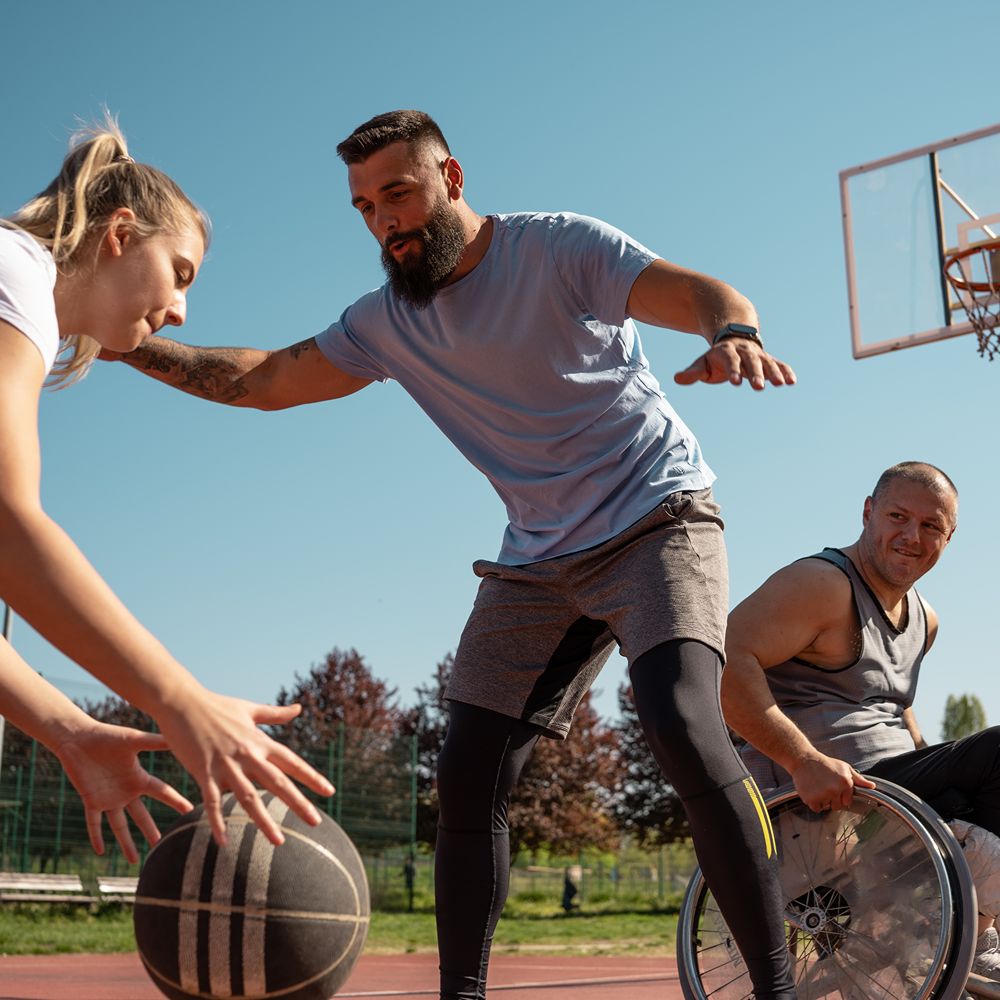
Making sure people of every age, ability, and life stage can build the skills and confidence for lifelong activity.
Removing Barriers
Working to open up real, sustained opportunities for physical activity, for everyone.
Physical Literacy in Quality Sport
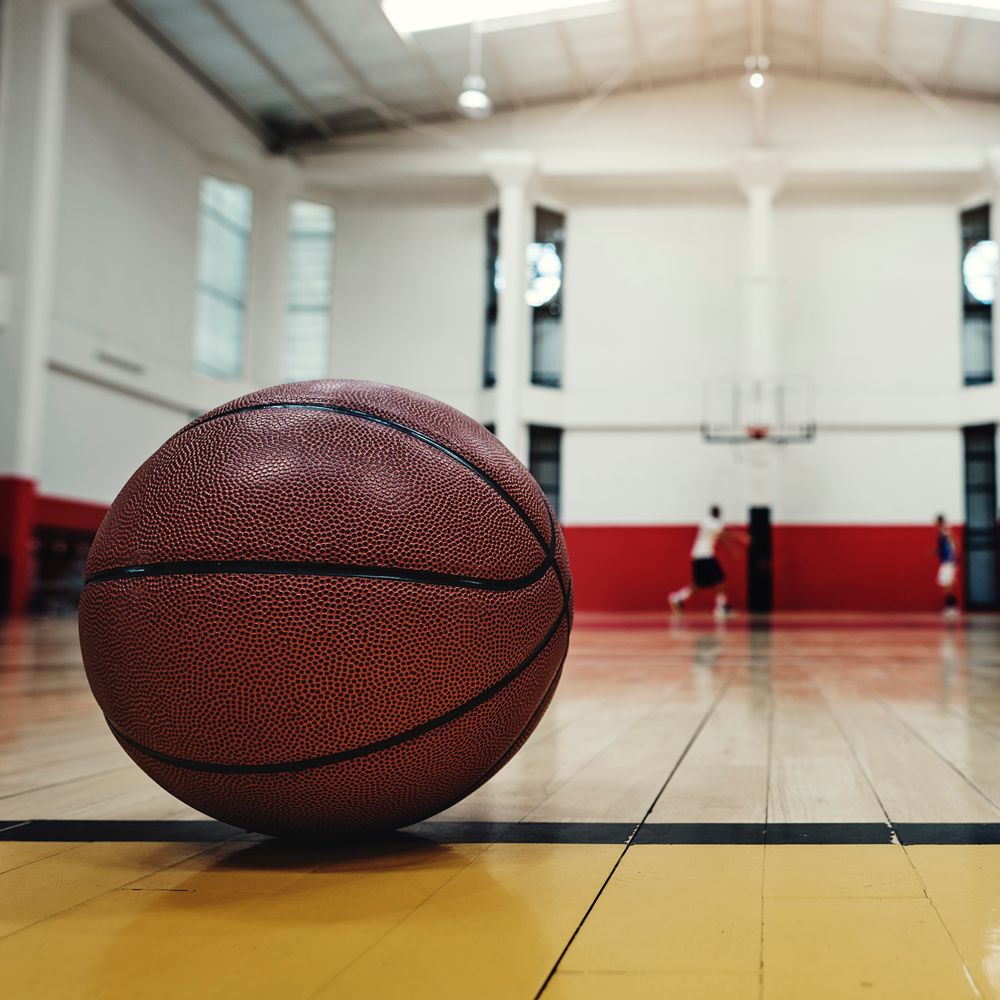
Physical literacy is a cornerstone of quality sport, especially in the early stages of Long-Term Development: Awareness, First Involvement, and FUNdamentals. A strong focus on physical literacy here helps participants build the movement skills, confidence, and enjoyment they need to engage with sport early on.
When physical literacy comes first, children get more varied movement and sport experiences instead of narrowing into one sport too soon. That builds broader athleticism, reduces the risk of burnout and injury, and supports longer-term motivation and engagement, in sport and beyond.
Our Physical Literacy division maintains its own website and funding model.
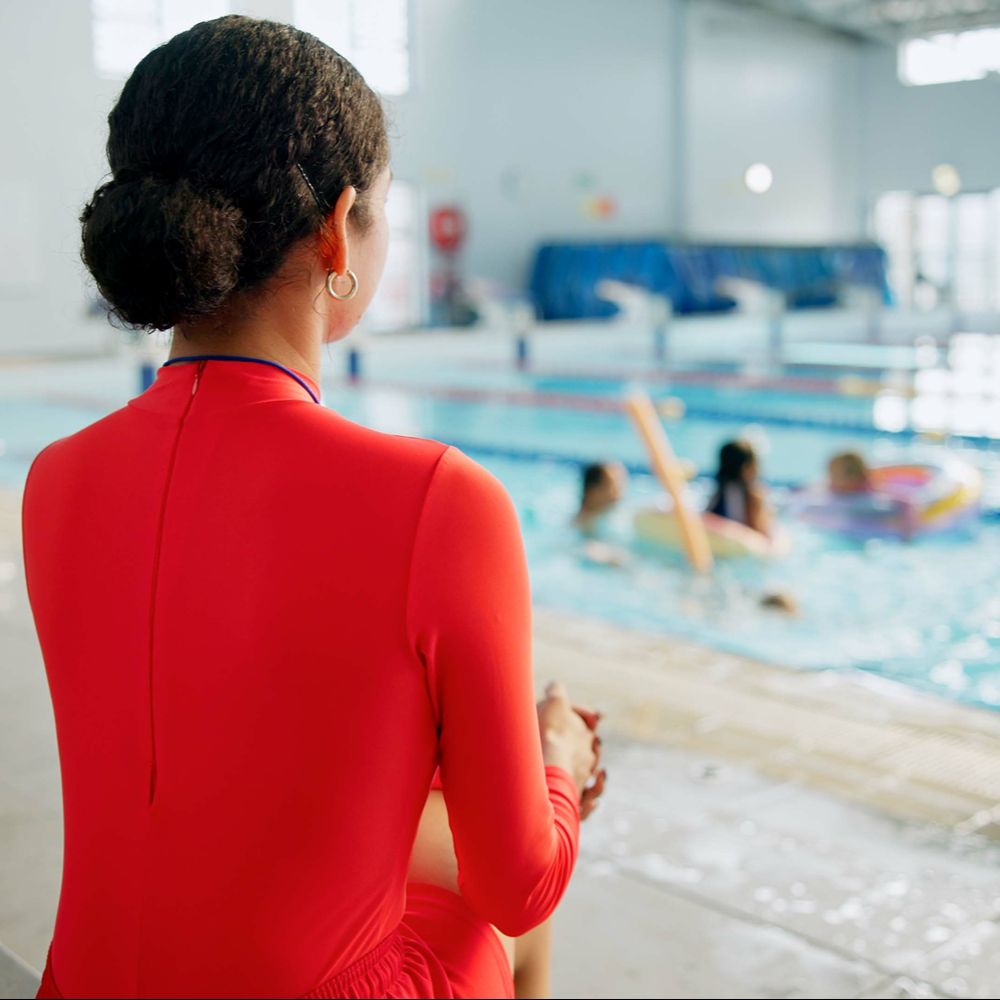
What Is PLAY Tools?
PLAY (Physical Literacy Assessment for Youth) is a set of tools we built to assess physical literacy in children and youth, covering movement competence, confidence, motivation, and related behaviours.
Coaches, parents, group leaders, teachers, and researchers use PLAY tools to work with children and youth. Different versions support trained observers, self-assessment, parent input, and children with disabilities.
PLAY tools help identify strengths and gaps, track progress over time, and support program planning and goal-setting. Teams can use them to observe movement skills, record activity, and guide next steps, on paper, in a spreadsheet, or through our digital portal.
Bring Physical Literacy to Your Program
Whether you work in sport, education, health, or recreation, we can help you get started.
Every program gets stronger when physical literacy comes first. Kids stay engaged longer, coaches and teachers get a clearer read on where each participant actually is, and skills built early carry into whatever sport or activity comes next.
We'll help you find where to start. That might mean using our PLAY tools to assess where your group stands today, bringing in training for your coaches or educators, or building physical literacy directly into a program you're already running. Wherever you begin, we'll help you make it stick.